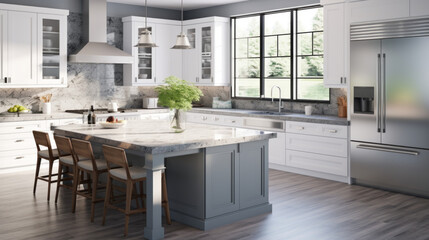
Cabinet Knobs, Pulls, and Hinges – Hardware Updates That Complete Your Cabinet Refinishing Project

Cabinet Refinishing Modesto

Cabinet knobs, pulls, and hinges make a big visual impact. They can also be practical upgrades that improve function and design.

Visible damage, such as rust and paint chips, indicates that the hardware is worn or no longer functional. Broken clips, squeaky hinges, and loose handles can lead to further damage.

Installing new hardware requires careful preparation and precise measurements. This helps you achieve professional results. Visit Cabinet Refinishing Modesto for more details.

Bar Pulls

While cabinet knobs and pulls may seem like a small detail, they can have a significant impact on your overall kitchen design. Replacing traditional round knobs with streamlined bar pulls in brushed nickel or matte black instantly modernizes your cabinetry. For a truly sleek look, try edge pulls or recessed hardware. These options create a clean, minimalistic aesthetic and work well with flat-panel cabinet doors.

If you want a more eclectic aesthetic, opt for mixed-metal drawer and cabinet pulls. These options are available in a variety of shapes and sizes, so you’re sure to find a style that complements your decor. For example, a sleek bar pull in brushed brass pairs beautifully with both light and dark cabinet tones.

Cup drawer pulls are another classic option that works well in both traditional and contemporary designs. These are shaped like a half-moon or a cup and have an opening that faces downward for easy gripping. They’re available in a variety of finishes, including oil-rubbed bronze and antique brass.

New hardware not only elevates the look of your cabinets, it also reduces direct contact with the paint or stain on your cabinetry. This helps protect the beautiful finish we apply to your refinished wood cabinetry and extends its lifespan.

Glass Cabinet Doors

Glass cabinet doors are a popular choice for homeowners looking to add elegance, light, and transparency to their kitchens. Displaying china, crystal, or a curated collection behind glass-front cabinets transforms everyday storage into visual storytelling. However, glass fronts aren’t for everyone; they’re not ideal for busy households and require more upkeep than solid-front options. If you’re considering introducing them to your kitchen, it’s important to weigh the pros and cons before making a commitment.

The key to achieving a polished look with glass doors is consistency. Maintain a regular cleaning schedule to avoid smudges, streaks, and fingerprints. Using non-abrasive cleaners or a mild solution of vinegar and water is recommended. It’s also wise to invest in a specialized glass cleaner that won’t damage or fog the door.

To maximize the effect of your new glass cabinet doors, install them near a window to reflect natural light and make your kitchen feel larger and brighter. For a more modern aesthetic, choose frameless glass doors, which eliminate visible hardware for uninterrupted lines and a sleek finish. If you prefer a more traditional look, consider mullion door styles, which feature decorative wood or metal grids.

Whether you choose single-pane or framed glass, consider mixing them with solid-front doors. Adding a handful of solid-front cabinets allows you to prioritize function and minimize visual clutter by concealing items that don’t need to be on display. This approach balances style with functionality and creates an intentional and thoughtful layout.

Before you begin your cabinet refinishing project, clear off your countertops and protect the floor with brown builder’s paper or plastic tarps to prevent paint from leaking onto surfaces you don’t want to touch. Before you apply your first coat of paint, use a fine-grit sandpaper to smooth out any uneven areas and prep the surface for the new finish. Then, apply a thin layer of primer before following with multiple light coats of your chosen color. Be sure to allow adequate time between each coat for the paint to fully dry. After each coat, use a clean cloth to wipe away any excess moisture and smooth the surface.

Wooden Ball Knobs

Wooden ball knobs are a fresh alternative to traditional hardware. They have intriguing sphere shapes, flat backs and holes for adding a screw inside. They come untreated, which allows you to customize them with paints and stains. Carpenter painted hers a punchy blue color to match her kitchen cabinetry, but you could also stain them or leave them as-is for a more natural look. For a creative touch, brush Modpodge on the surface of the knob then add circular designs that you’ve printed on paper to the knob.

Drawer Pulls

Whether you’re working on a DIY kitchen upgrade, adding a new touch to a thrifted furniture find, or simply swapping out hardware for a fresh look on a bathroom vanity, cabinet drawer pulls are an affordable and easy way to make a major impact. With a wide variety of style options available, it’s easy to find the perfect complement to any room in your home or project.

Drawer pulls, also known as cabinet handles, are the hardware that opens and closes cabinets and drawers. A common rule of thumb is that the drawer pull should be one-third of the width of the cabinet door or drawer front for a balanced, proportional look. However, the most important thing to remember when choosing drawer pulls is that you should choose a style and material that suits your aesthetic.

Knobs have smaller profiles and are less expensive than pulls. They work well on cabinet doors and drawers and can be installed horizontally or vertically. If you opt for knobs, they’re best suited for small drawers and cabinets since they’ll be easier to open with your hands. Larger drawers require a larger pull to give you a comfortable grip when opening.

Another option is arch pulls, which are similar to pulls but with an ergonomic design that works for both traditional and modern styles. They’re also versatile and long-lasting. If you’re looking for a more unique touch, theme pulls feature designs like nautical, vintage, floral, or animal motifs. They’re a great way to show off your personality and add character to your space.

Once you’ve selected your drawer pulls, install them by screwing them into the holes that were previously occupied by old hardware. Then, give your project a final check for any rough spots that need gentle sanding and test the doors and drawers to make sure they swing freely and close smoothly. If any adjustments are needed, use a screwdriver, level, and spacing blocks to get everything back into place. Then, step back and admire your handiwork! You’ve transformed an ordinary piece of wood into something truly special.

How to Maintain Refinished Cabinets and Keep Them Looking New

Cabinet Refinishing Modesto

Refinishing cabinets requires a lot of care and attention. In addition to choosing a durable finish that will withstand humidity and heat, you also need to implement preventive measures to minimize damage.

For example, use protective liners in cabinets to reduce heat exposure and avoid slamming doors or drawers. Regular touch-ups with matching paint are also helpful in reducing the appearance of small scratches and chips. Contact Cabinet Refinishing Modesto for more information.

Clean Your Cabinets Regularly

Cabinets are a major part of your kitchen’s appearance, so it is important to keep them looking their best. To do this, you must regularly clean and care for them to prevent buildup and stains. With the right tips, your newly refinished cabinets will look like new for years to come.

Using a non-abrasive cleaning solution made for wood or painted surfaces is the best way to clean your cabinets. Avoid harsh chemicals and scrubbing pads, as these can damage the paint or stains on your cabinets. Instead, gently wipe down your cabinets with a soft cloth and water to remove grease, grime, and smudges. Always dry your cabinets afterward to avoid moisture damage and wood rot.

Regularly dust your cabinets with a soft cloth or duster. This will remove dirt and grime from the surfaces of your cabinets without scratching them or wearing them down over time. Be sure to check all surfaces of your cabinets, including those hard-to-reach corners where dust tends to collect.

Spills on your cabinets should be cleaned immediately to prevent water or food from damaging the wood or painted surface. Use a microfiber or lint-free cloth to wipe down your cabinets, and dampen it with a small amount of mild dish soap if necessary. Do not hang wet cloths on your cabinets, as this can cause them to warp or damage the finish.

Use quality hardware for your cabinets, such as handles or knobs. This minimizes the contact between your hands and the painted surfaces of your cabinets, preventing oils from your skin from damaging the paint over time. Using cabinet hardware also helps prevent scratches or gouges from accidental handling, as the screws and nails that secure them are less likely to rub against the wood or paint.

Avoid direct sunlight on your cabinets, as it can fade the finish over time. Consider adding window treatments to your kitchen to protect your cabinets from UV rays and heat. You should also frequently inspect your cabinets for loose hinges, handles, or knobs. If you notice any wear or tear, call your refinisher to have it addressed as soon as possible to minimize damage and prolong the life of your cabinets.

Inspect Your Cabinets Regularly

It’s important to inspect your cabinets regularly to catch any potential problems before they get out of hand. You can do this by looking for loose screws, signs of tilting, or drywall dust underneath the cabinets. These indicators may not seem like major issues at first, but they can indicate that the cabinets are not secure and could potentially collapse if weight is added to them. Identifying these underlying issues early can prevent your cabinets from collapsing and placing your belongings or yourself in danger.

It is also a good idea to periodically check your cabinets for any damage or warping. This is especially important in areas that are exposed to tension, such as the hinges and joints of the cabinet doors. Look for cracks in the wood veneer or panels, as well as any noticeable distortion of the shape of the cabinets. Warping compromises the integrity of your cabinets and increases the risk that they could collapse under the weight of your stored items.

Wipe down your cabinets regularly with a microfiber cloth and water or vinegar solution. Avoid harsh cleaning chemicals and abrasives, as these can damage the finish and cause discoloration. Make sure to wipe down the entire surface, including any hinges and joints. It is also a good idea to use a damp cloth to wipe down the interiors of your cabinets and any built-in shelves.

For hard to remove stains, it is often best to use a mixture of baking soda and water. Gently scrub the affected area with the baking soda paste and rinse away the residue with a clean, damp microfiber cloth.

A regular maintenance routine can help to keep your refinished cabinets looking beautiful. It is easy to do and will help your new cabinets last longer.

If you have any questions about how to care for your refinished cabinets or would like some advice on a new dream kitchen, contact a Reico Kitchen & Bath professional today. We can provide you with guidance tailored to your home style and needs, helping you find the perfect look for your cabinetry and providing a hassle-free installation process.

Avoid Wax and Polish

Cabinets require regular cleaning to remove dust, dirt, and other debris that can dull their finish or scratch the wood. A soft, lint-free cloth or feather duster should be used to gently wipe down cabinets and get into the corners. Avoid using harsh chemicals or abrasive sponges, as they can damage the surface of the cabinets and cause scratches.

Wiping down cabinets on a weekly basis will help prevent grime build up and keep them looking pristine. A thin layer of furniture wax can also be applied periodically to condition the cabinets, buff out light surface scratches, and maintain shine. Be sure to use a polish or wax specifically designed for wooden cabinets.

Avoid slamming cabinet doors or drawers, as this can damage the paint surface. Using a soft-close hinge or drawer glides can minimize damage and extend the life of your cabinets. Adding protective liners in areas where cabinets store heavy pots or cleaning supplies can further reduce stress on the cabinet surfaces.

If your cabinets have built-in glass, be sure to regularly clean them. Glass cleaner can contain ammonia, so it’s important to spray only the glass and not the painted cabinet surfaces. Also be careful when removing hardware, as harsh chemicals or abrasive sponges may damage the finish. When reinstalling hardware, be sure to label each piece for easy re-identification.

Preventative maintenance is key to extending the lifespan of your refaced cabinets. Regular inspections can identify signs of wear and tear before they become major issues, allowing you to take action before they damage the finish or the wood underneath.

Moisture can be particularly damaging to refinished wood, so it’s important to take steps to prevent moisture damage. Ensure that there is proper ventilation in high-moisture areas, such as bathrooms, and consider running a dehumidifier to reduce moisture levels in the air. Additionally, if possible, try to limit direct sunlight exposure as this can fade and discolor the cabinets over time. By following these simple tips, your refaced cabinets will look great for years to come! If you have any questions or concerns about your cabinet refinishing project, don’t hesitate to contact us.

Avoid Moisture

Moisture can damage cabinets and cause wood to warp or crack. It’s important to wipe down cabinets regularly and clean up spills as they happen to prevent moisture build-up. Using a dehumidifier in your home can also help keep humidity levels low.

Regularly wipe down your cabinets with a soft cloth to remove dust and dirt build-up. Be sure to use a lint-free cloth and dry every surface thoroughly. This prevents water spots and keeps your cabinets looking shiny and fresh. If you notice a stain on your cabinet, use a mild cleaner like vinegar or rubbing alcohol to remove the mark without damaging the finish. Remember to test your cleaning product on an inconspicuous part of the cabinet before using it on the whole thing.

Using a degreaser designed for thermofoil can make it easier to remove grease and oil from your cabinets. Apply the solution to a clean microfiber cloth and wipe down your cabinets, concentrating on problem areas. Be sure to avoid scouring pads, as these can scratch the surface of your cabinets and lead to dulling.

Cabinet liners are an inexpensive way to protect your cabinets from stains and scratches. Choose removable liners that can be easily removed and replaced when needed. Liners can also help keep cabinet surfaces hygienic by eliminating the need to clean and wipe down cabinet frames and interiors.

Moisture can damage your refinished cabinets and ruin the look of your kitchen. Moisture causes cabinets to warp and can result in cracking or peeling of the cabinet finish. To prevent this, wipe down your cabinets daily with a damp cloth and avoid slamming cabinet doors and drawers. Keeping up with these simple maintenance tips will help extend the life of your cabinets and keep them looking new for years to come. If your cabinets are severely damaged, contact a professional service such as N-Hance for cabinet refacing in Jacksonville Florida. N-Hance’s expert team can guide you through your options and provide a high-quality finished look for your kitchen. Schedule a free estimate today to get started.