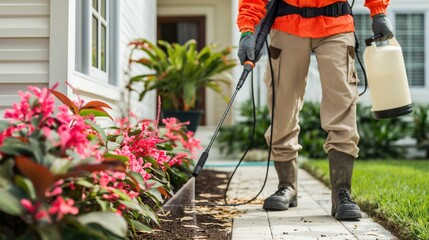
A growing number of businesses and homeowners are opting for eco-friendly pest control. This trend is a result of increased awareness about environmental impacts and the desire for safe solutions that align with personal values.
Pest Control Vero Beach methods prioritize natural, non-toxic, or low-toxicity treatments that minimize harm to humans and pets. Using preventative techniques such as sealing entry points and eliminating food sources, these strategies promote long-term protection.
Effectiveness
As more consumers become aware of the environmental impact of chemical pest control treatments, they are turning to eco-friendly alternatives. These methods are not only safer for the environment, but they are also just as effective against pest infestations as traditional treatments. By focusing on prevention and balance, eco-friendly pest control strategies can protect homes and the surrounding ecosystems from future infestations.
Unlike conventional pest control sprays, which often release strong odors and airborne particles, non-toxic green pest solutions are safer for families with children and pets. Many of these products are made from natural ingredients, ensuring that they do not contain dangerous chemicals. This makes them a great choice for families with sensitive skin or respiratory conditions, such as asthma.
Additionally, green pest control products are usually less expensive than traditional treatments. This is because they do not require the same amount of chemicals to be just as effective. Some companies also offer maintenance plans that help to keep pests at bay long-term.
The effectiveness of green pest control strategies is based on an understanding of how pests reproduce and what attracts them. Professionals use this knowledge to create a plan that disrupts the pest life cycle at critical points. This method requires genuine expertise and careful planning, but it can be just as effective against large pest populations as traditional methods.
Many pests enter homes through cracks, crevices, and other entry points. By sealing these areas and keeping homes clean, you can make your home inhospitable for pests. This will also reduce the need for repeated treatments, reducing your cost and limiting the amount of harmful chemicals in your home.
In addition, eco-friendly pest control strategies utilize natural predators and parasites to manage pest populations without harming them. For example, nematodes are tiny organisms that live in the soil and hunt down grubs and fleas. These organisms are safe for humans, pets, and plants and are a very effective alternative to chemical treatments.
Choosing green pest control is not only good for the environment, but it’s also a great way to show your commitment to sustainability and a healthier lifestyle. By promoting these green practices, you can encourage other homeowners to adopt them as well.
Safety
In addition to minimizing environmental impact, eco-friendly pest control practices are safer for families and pets. Traditional pest control products often contain harsh chemicals that can irritate skin, cause respiratory issues, or trigger allergies. Eco-friendly solutions, on the other hand, use natural or low-toxicity ingredients. These products are also less likely to contaminate soil, water, or air. They may be more effective against certain pests, too. For example, neem oil offers anti-feeding and insecticidal properties, while diatomaceous earth destroys pest exoskeletons by dehydrating them over time.
Additionally, many green pest control techniques avoid harming beneficial insects like bees and butterflies. This can be achieved by using natural repellents, preventing moisture buildup, and using encapsulation methods to prevent pests from entering living areas. In addition, eco-friendly pest control services typically utilize live traps and relocation techniques rather than chemical sprays.
While eco-friendly pest control techniques may not be as effective against some species of pests, they still provide excellent results for most common household pests. Moreover, they reduce the need for repeated treatments and promote sustainable pest management practices. When selecting a provider, ask about their experience with different pests and the effectiveness of their solutions. Also, find out whether they offer a guarantee or follow-up, as this will give you peace of mind that you’re getting the best service.
While eco-friendly pest control offers many benefits, it’s important to remember that not all situations call for it. Severe infestations require immediate knockdown, and conventional methods may be necessary in these cases. Other times, fast-acting solutions are required for public safety reasons, such as a dangerous wasp nest near entranceways or disease-carrying rodents in children’s play spaces. However, for most pest situations, green pest control can provide a safe, environmentally responsible alternative.
Environmental impact
Green pest control products have a much lower environmental impact than traditional synthetic pesticides. They reduce harmful chemical runoff into waterways and protect ecosystems. They also promote biodiversity by preserving non-target insects and animals. The key to a successful eco-friendly pest management strategy is avoiding disturbances to the natural balance of wildlife. This can be achieved by preventing pests from gaining access to food sources and by targeting the pests directly, rather than disrupting their natural habitats.
The effectiveness of eco-friendly pest control methods is often underestimated. For many pests, these solutions can be just as effective as traditional chemical treatments. In addition, they are safer for children and pets. Non-toxic solutions are especially important for families with young children or elderly family members who may have difficulty handling toxic chemicals. This type of pest control is also less expensive in the long run, because it minimizes repeated treatments and the need for costly insecticides.
While traditional pesticides are incredibly effective, they can have significant negative side effects for the environment and human health. Some of these chemicals can leak into the groundwater supply and cause environmental contamination. Other chemicals can be dangerous for pets and children, posing a risk to their health. In contrast, green pest control methods prioritize the protection of natural ecosystems and human health. This approach provides a sustainable alternative to traditional pest control methods, and it can be implemented at a local level to amplify its impact.
Incorporating eco-friendly pest control practices in your business can help you build trust with environmentally conscious customers. You can start by promoting your use of non-toxic products and explaining how these products work to support the ecological balance. You can also encourage your clients to participate in preventative measures at home, such as using green waste compost or planting native plants.
Eco-friendly pest control is a growing movement that addresses the need for safer, healthier ways to manage pest infestations. This trend is driven by the need for more sustainable alternatives to harsh, chemical pesticides that can be harmful to human and pet health. In the future, more people will be choosing green pest control methods to live in harmony with nature and protect their families and homes.
Marketing
Many businesses are moving away from traditional chemical-heavy pest control solutions to more eco-friendly alternatives. This trend is driven by both customer demand and regulatory changes. In addition, technological advancements are fueling the development of new eco-friendly pest control products. For example, recent developments in botanical insect repellents can effectively target specific pests without damaging the environment. These products are often derived from plants or their essential oils, which significantly reduce the amount of toxic chemicals used in pest control. In the business world, companies that embrace green practices can reap a host of benefits, including increased employee satisfaction and brand recognition.
Homeowners also seek out eco-friendly pest control options. They prefer the fact that these methods don’t leave behind toxic residues or create health concerns, making them an attractive option for families with children and pets. Green pest control professionals customize treatments for each home’s needs, balancing effectiveness with safety standards.
Pesticides can leach into soil and water, causing harm to wildlife and humans. In addition, repeated exposure to chemical pesticides can cause insects to develop resistance. Eco-friendly pest control techniques, which rely on natural ingredients and integrated strategies, minimize environmental impact and prevent resistance development.
Many people have respiratory conditions or chemical sensitivities, and they can experience negative side effects from traditional pesticides. Natural pest control solutions are less likely to trigger these symptoms, and they don’t require the homeowner to remove food from cabinets or cover furniture for treatment.
The use of green pest control methods also helps to reduce costs. Compared to conventional treatments, eco-friendly strategies can save money in the long run because they eliminate the need for repeat applications. Additionally, they can help to avoid costly property damage and structural repairs caused by pest infestations.
As more homeowners demand environmentally responsible pest control solutions, the industry will continue to evolve in response. For example, companies can introduce natural predators to manage pest populations, or they can use innovative barriers such as encapsulation to deter pests from accessing living areas. Additionally, they can use smart technology to identify vulnerable areas and implement targeted treatments. Moreover, they can partner with community organizations to promote green practices. For instance, they can participate in community composting programs to reduce waste, which attracts pests, or they can advocate for local policies that support sustainable living.