There is nothing quite as unsettling as hearing movement above your ceiling late at night. The faint scratching, the occasional thump, and the growing suspicion that something is living where it should not be can quickly turn into anxiety. Roof rats are known for quietly invading homes and settling in hard-to-reach places. A proper Roof Rat Removal Texas approach is essential to eliminate the problem and protect your home from further damage.
Understanding Roof Rats and Their Behavior
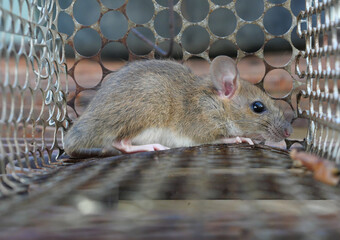
Roof rats are agile rodents that prefer elevated spaces such as attics, ceilings, and rooflines. Unlike other rodents, they are excellent climbers and can access homes through trees, utility lines, and small openings near the roof.
These rats are typically active at night and tend to stay hidden during the day. They build nests in secluded areas and can reproduce quickly, which makes infestations grow rapidly if not addressed.
Their behavior is driven by the need for food, water, and shelter. Once they find a suitable environment, they are likely to remain and expand their presence unless removed properly.
Signs of a Roof Rat Infestation
Identifying a roof rat problem early can help prevent extensive damage. One of the most common signs is noise in the attic or ceiling, especially during nighttime hours when the rats are most active.
Droppings are another clear indicator. These are often found near nesting areas or along travel paths. You may also notice gnaw marks on wood, wires, or stored items, as rats constantly chew to maintain their teeth.
Grease marks along walls or beams can appear where rats frequently travel. A strong, unpleasant odor may develop as well, caused by nesting materials and waste.
Spotting these signs early allows for quicker intervention and reduces the impact of the infestation.
Why Roof Rats Are a Serious Problem
Roof rats can cause significant damage to a home if left untreated. Their constant chewing can damage electrical wiring, which increases the risk of fire. They can also destroy insulation and weaken structural components.
In addition to property damage, roof rats pose health risks. They can carry bacteria and contaminate surfaces through their droppings and urine. This can affect indoor air quality and create an unhealthy living environment.
Their ability to reproduce quickly makes the problem even more serious. A small infestation can turn into a large one in a short period, making removal more challenging over time.
The Roof Rat Removal Process
Effective roof rat removal involves a step by step approach that targets both the rats and the conditions that allow them to thrive. The process begins with a thorough inspection to identify entry points, nesting areas, and the extent of the infestation.
Once the problem is assessed, removal methods are implemented. This often involves trapping techniques designed to eliminate rats safely and efficiently. The placement of traps is carefully planned to target high activity areas.
After the rats are removed, sealing entry points is critical. Roof rats can enter through very small openings, so closing these gaps prevents new infestations.
Cleaning and sanitation follow to remove contaminants and odors. This step helps restore a safe and hygienic environment within the home.
Common Entry Points for Roof Rats
Roof rats can access homes through a variety of entry points. Openings near the roofline, such as gaps under eaves or around vents, are common access areas.
They may also enter through damaged roofing materials or loose shingles. Utility lines and cables can act as pathways, allowing rats to travel directly into the structure.
Tree branches that extend close to the roof provide another route. Rats can easily climb branches and jump onto the roof to find entry points.
Understanding these access points helps in both removal and prevention efforts.
Preventing Future Roof Rat Infestations
Preventing roof rats from returning requires ongoing attention and maintenance. One of the most effective measures is sealing all potential entry points. Inspecting the roof and exterior regularly helps identify vulnerabilities.
Trimming tree branches away from the roof reduces access routes. Keeping vegetation under control makes it more difficult for rats to reach your home.
Proper food storage is also important. Ensuring that food is sealed and waste is managed properly removes attractants that draw rats in.
Maintaining cleanliness in storage areas and reducing clutter limits hiding spots. A well maintained environment is less appealing to rodents.
The Importance of Professional Removal
While some homeowners attempt to handle roof rat problems on their own, professional removal offers a more reliable solution. Professionals have the experience to identify hidden nests and entry points that may be overlooked.
They also use effective techniques that address the infestation comprehensively. This reduces the likelihood of the problem returning.
Safety is another important factor. Handling rodents and their waste can pose health risks. Professional services ensure that removal is carried out safely and thoroughly.
Choosing a professional approach often leads to faster and more lasting results.
Risks of Ignoring a Roof Rat Problem
Ignoring a roof rat infestation can lead to serious consequences. As the population grows, the damage to your home can increase significantly. Electrical issues, structural damage, and contamination can all worsen over time.
Health risks also become more pronounced. The presence of rodents can affect air quality and increase the spread of bacteria.
Delaying action allows the infestation to become more established, making removal more difficult and costly. Addressing the problem early is key to minimizing its impact.
Long Term Maintenance and Monitoring
After removal, ongoing maintenance is essential to keep your home free from roof rats. Regular inspections help ensure that no new entry points have developed.
Monitoring for signs of activity allows you to respond quickly if any issues arise. Maintaining a clean and organized environment reduces the chances of attracting rodents.
Consistent upkeep is the best way to ensure that your home remains protected over time.
Conclusion
Roof rat removal is an essential step in protecting your home from damage and health risks. By understanding their behavior, recognizing the signs of infestation, and taking prompt action, you can effectively eliminate the problem.
A thorough removal process combined with preventive measures ensures long term results. Taking care of your home and addressing issues early helps maintain a safe and comfortable living environment.
Roof rats may be persistent, but with the right approach, they can be managed and prevented. Staying proactive allows you to keep your home secure and free from unwanted intruders.