The Role of General Contractors

GCs play the most important role in a construction endeavor, serving as the key point of communication between clients and designers and specialty contractors. This involves assessing and mitigating risks, providing timely progress updates, and implementing best practices. Contact General Contractors In Nashville TN for professional help.

General Contractors

Project Planning: Developing timelines, budgeting, and estimating costs. It also includes identifying challenges and creating contingency plans.

Anyone can swing a hammer, but not everyone can bring your construction project to life with skill and precision. Professionalism goes beyond appearance, communication, and business practices; it entails a steadfast commitment to upholding high standards of quality, safety, and transparency.

When searching for a general contractor to manage your commercial construction project, it is vital that you do your research and look into their background. The best way to do this is by asking for referrals from past clients and checking online resources. It is also important to verify your contractor’s license by looking into the licensing requirements set by your state.

GCs are responsible for the overall project management of a construction site, including scheduling and delivery of materials. In addition, they coordinate subcontractors and supervise their work to ensure it is done correctly. Because of their extensive experience and project management skills, they are able to minimize delays and keep the construction process on schedule.

A reputable general contractor will provide a warranty for their artistry and carry liability insurance, protecting you from any damages or accidents that may occur during the construction process. In addition, they will be willing to answer any questions you have regarding their services and their previous projects.

Inexperienced or unlicensed contractors can cause a variety of issues during the construction process. For example, they may fail to pull the correct permits, leading to code violations and fines. They may also fail to properly communicate with other contractors and subcontractors, resulting in delays and poor workmanship. Licensed contractors, on the other hand, are required to adhere to industry standards and regulations, which reduces the risk of legal complications.

A reputable contractor will be able to offer you a cost breakdown of the project. It is important that they be willing to customize their proposal based on the complexity and scale of the project. A reluctance to do this could be an indication of deeper problems with the company. In addition, they should be able to give you a quote for the entire project, avoiding any hidden fees or markups.

Experience

The responsibilities of a general contractor are vast and diverse. They take on construction projects of all sizes and types, from building new homes to remodeling offices, from commercial structures to towering skyscrapers. Their job is to steer the entire operation from start to finish, ensuring everything works together in the most seamless way possible.

They often work closely with architects and engineers to make sure the build meets specifications. They also coordinate with subcontractors who specialize in specific tasks, such as electricians and plumbers. They are responsible for hiring and scheduling these contractors, making sure their work is done at the right time and to the correct standards. They also deal with all the not-so-exciting red tape like getting permits and making sure the project adheres to city specs and regulations.

Managing cost and timelines is another critical part of their role. They are responsible for developing a construction budget, estimating material costs and pricing out subcontractor work. They also must liaise with vendors and suppliers to get materials ordered, and then make sure they are delivered as scheduled, in the correct quantities and are in good condition.

When problems arise, they must be able to handle them with integrity and transparency. They must be able to communicate clearly and concisely with everyone involved in the project, so they can avoid miscommunications and costly mistakes. They should also be willing to learn and flex when plans change, saving time, money and stress for all parties.

While a GC’s experience comes from on-the-job training and apprenticeships, many choose to attend a trade school that offers more specialized knowledge about construction methods and laws. This gives them a more well-rounded perspective of how to build structures and a better understanding of the overall process.

When deciding to hire a GC, look for one who has worked on projects similar to yours in the past. This will give them the experience and knowledge necessary to complete your project on time and within your budget. A reputable GC will also have the proper licensing to ensure they are safe and insured to perform their services on your property.

Licenses

Depending on state and local regulations, becoming a general contractor can require a certain number of years of experience, successful completion of exams and training programs, as well as proof of insurance coverage. The process is a lot like getting a license in any other profession, and it’s a sign that you’re serious about your work.

GCs can take on a wide range of building projects, from small residential renovations to multi-story office buildings. However, many specialize in a specific niche, such as commercial renovations or low-rise apartment construction. This allows them to build a strong network of subcontractors and clients and become a master at their craft.

Another important skill of a GC is their ability to keep the project running smoothly. This includes ensuring that needed materials arrive on time, subcontractors are working efficiently, and tasks are completed according to a predetermined schedule. Keeping a project on schedule is critical to avoiding cost overruns and making sure that the finished product meets client expectations.

A GC is also responsible for obtaining any necessary permits and staying within code requirements. If these procedures aren’t handled correctly, it can lead to major delays and even project termination. GCs will work closely with the city to ensure that inspections are scheduled and carried out on time.

Many states have reciprocity agreements when it comes to licenses, which means that if you’re licensed in one state, you can do business in other states without having to undergo the entire licensing process again. This is helpful if you’re traveling or moving to a different part of the country for work.

In NYC, the Department of Buildings (DOB) requires contractors to obtain a General Construction Contractors license before undertaking any new construction or repair projects. The process can be lengthy, and applicants must pass various tests, complete mandatory training, and meet insurance requirements before gaining their license.

To avoid any unnecessary delays, make sure that you meet all of the DOB’s application requirements before submitting your paperwork. It’s also crucial to be honest in your applications and provide any requested documentation, as dishonesty can result in an application denial. Also, be aware of any deadlines to avoid late fees or other penalties.

Transparency

Transparency is a crucial part of any construction project, especially for home building and remodeling. A lack of transparency can result in misunderstandings and miscommunication that can cost both time and money. A general contractor that prioritizes transparency with their clients will communicate consistently, openly discuss challenges, and be upfront about costs. This approach will help create a strong partnership and ensure that everyone is working towards the same goals.

One of the best ways to determine a builder’s level of transparency is through their use of construction management software. This software allows both clients and contractors to access project information and progress in a convenient, online environment. This type of transparency eliminates confusion and frustration, allowing both parties to stay on track and reach their desired end results.

Another sign of a general contractor’s commitment to transparency is their use of comprehensive scope reviews. During this process, the building team discusses each component of the construction project in detail. This enables the team to identify potential challenges and develop proactive solutions. In addition, it also promotes collaboration and communication between stakeholders.

Scope reviews can be conducted at any stage of the project and are essential for ensuring cost control and meeting client expectations. When performed properly, they promote clear communication between all stakeholders and provide a solid foundation for the success of any commercial construction project.

For example, at Clune, we invite subcontractors, architects, engineers and the client to join our scope review meetings. This collaborative process enables all parties to examine each element of the construction design, assess its impact on the schedule and budget, and make informed decisions about the project. In addition, it provides an opportunity for the team to explore value engineering options to enhance function and quality without increasing cost.

In addition, a thorough scope review can also mitigate labor issues by helping the project team anticipate and plan accordingly for any potential delays. This is particularly important during a tight labor market when skilled subcontractors are scarce. 

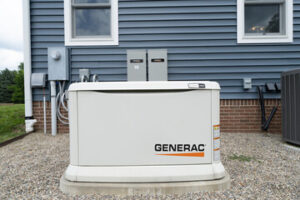
Generator Installation Services: Preparing Your Property for Power Outages

Power outages are no longer rare inconveniences that happen once in a blue moon. Severe weather events, aging infrastructure, unexpected grid failures, and increasing energy demands have made blackouts more common and, in many cases, more disruptive than ever before. Whether you own a home, manage a commercial facility, or oversee a multi-unit property, losing electricity can mean far more than temporary discomfort. It can interrupt business operations, damage sensitive equipment, compromise security systems, and create serious safety concerns. This is where professional Electric generator installation services become an essential investment rather than an optional upgrade.

electrical

A properly installed generator provides peace of mind by ensuring that your property remains functional even when the main power supply fails. From keeping lights on and refrigeration running to maintaining critical systems such as medical equipment and communication networks, a standby power solution acts as a safety net when the unexpected happens. However, preparing your property for power outages requires more than simply purchasing a generator. It involves careful planning, load assessment, proper placement, and professional electrical integration.

Why Generator Installation Is a Smart Long-Term Investment

Many property owners wait until after a major outage to consider installing a backup power system. Unfortunately, that reactive approach often leads to rushed decisions, limited availability, and inadequate preparation. By proactively investing in generator installation services, you gain control over the process and ensure that your system is tailored to your specific needs.

A standby generator automatically detects a power interruption and activates within seconds. Unlike portable units, which require manual setup and fuel handling, permanently installed generators connect directly to your property’s electrical panel and fuel source. This seamless transition minimizes downtime and eliminates the stress of scrambling in the dark to restore power.

Beyond convenience, a professionally installed generator can protect your financial interests. Spoiled inventory, frozen pipes, flooded basements from inactive sump pumps, and system failures can cost thousands. For businesses, even a few hours of downtime may lead to lost revenue, damaged reputation, and dissatisfied customers. Backup power helps reduce these risks significantly.

Understanding Your Property’s Power Needs

One of the most important steps in generator installation is determining how much power your property actually requires. This process, often called load calculation, ensures that the generator can handle the electrical demand without overloading or underperforming.

There are typically two primary approaches when sizing a generator:

  1. Essential Circuit Coverage – This option focuses on powering only critical systems such as refrigeration, heating and cooling, medical equipment, security systems, and basic lighting. It is a cost-effective solution that ensures safety and functionality during outages.
  2. Whole-Property Coverage – This approach powers the entire electrical panel, allowing your home or commercial facility to operate as usual during a blackout. While it involves a larger generator and higher initial investment, it provides maximum comfort and operational continuity.

A professional electrician evaluates your property’s electrical usage, accounts for the starting wattage requirements of major appliances, and designs a solution that matches both current and potential future needs. This customized assessment prevents costly mistakes and ensures long-term reliability.

The Generator Installation Process Explained

Generator installation services involve several coordinated steps that must meet electrical codes and safety standards. Attempting a do-it-yourself installation or hiring unqualified technicians can result in serious hazards, including electrical fires, carbon monoxide exposure, and system failure.

The typical installation process includes:

  • Site Assessment and Planning – Professionals evaluate the best location for the generator, ensuring proper ventilation, clearance, and accessibility for maintenance.
  • Permitting and Code Compliance – Licensed installers secure necessary permits and ensure the installation adheres to local electrical regulations.
  • Transfer Switch Installation – An automatic transfer switch connects the generator to your electrical panel. This device safely transitions power from the utility grid to the generator without backfeeding electricity into power lines.
  • Fuel Source Connection – Generators may run on natural gas, propane, or diesel. Proper fuel line installation ensures consistent performance.
  • System Testing and Inspection – After installation, technicians perform comprehensive tests to confirm that the generator activates correctly and handles the expected load.

Each of these steps plays a crucial role in the safety and efficiency of your backup power system. Skipping or mishandling any part of the process can compromise performance and void manufacturer warranties.

Key Benefits of Professional Generator Installation Services

While the upfront cost of a standby generator may seem significant, the long-term advantages far outweigh the expense. Professional installation ensures you receive maximum return on your investment.

Here are some of the most important benefits:

  1. Enhanced Safety – Proper wiring, grounding, and fuel connections minimize fire risks and eliminate dangerous backfeeding into the power grid.
  2. Automatic Operation – Standby systems activate within seconds of a power outage, providing uninterrupted electricity.
  3. Property Protection – Backup power keeps sump pumps, HVAC systems, and refrigeration units running, preventing water damage and spoilage.
  4. Increased Property Value – Homes and commercial buildings equipped with standby generators are often more attractive to buyers.
  5. Operational Continuity – Businesses can continue serving customers without significant disruption.

By working with experienced technicians, you ensure that every component is installed correctly and optimized for reliable performance during emergencies.

Residential Generator Installation: Keeping Families Safe and Comfortable

For homeowners, power outages can be more than inconvenient—they can be dangerous. Extreme temperatures, food spoilage, loss of lighting, and disabled security systems all pose risks. Generator installation services provide families with stability during unpredictable situations.

A residential standby generator supports essential household systems such as heating, cooling, refrigeration, internet connectivity, and medical devices. In areas prone to storms or grid instability, this reliability offers invaluable reassurance. Instead of worrying about how long the power will be out, you can focus on staying safe and comfortable.

Additionally, modern generators operate quietly and efficiently. With proper placement and maintenance, they blend seamlessly into the property without disrupting daily life.

Commercial Generator Installation: Protecting Business Operations

For commercial properties, the stakes are even higher. Power outages can shut down production lines, disrupt digital transactions, halt security systems, and damage critical data infrastructure. Generator installation services help business owners maintain continuity and reduce financial losses.

Retail stores can keep point-of-sale systems running. Restaurants can preserve refrigerated inventory. Offices can maintain communication networks and server operations. Healthcare facilities can continue operating essential equipment. In many industries, uninterrupted power is not merely a convenience—it is a necessity.

Commercial generator systems are typically larger and require detailed planning to ensure they can support high-demand equipment. Professional installers coordinate closely with property managers and electrical contractors to integrate the system without disrupting ongoing operations.

Choosing the Right Fuel Type

Selecting the appropriate fuel source is another key decision when installing a generator. Each option offers distinct advantages depending on your property’s infrastructure and energy needs.

  • Natural Gas – Connected directly to an existing gas line, this option provides a continuous fuel supply and eliminates the need for storage tanks.
  • Propane – Stored in tanks on-site, propane offers clean-burning performance and long shelf life.
  • Diesel – Often used in larger commercial applications, diesel generators are known for durability and high output capacity.

A professional installer will assess availability, cost, storage requirements, and maintenance considerations before recommending the best fuel solution for your property.

Maintenance: Ensuring Long-Term Performance

Installing a generator is only the first step. Regular maintenance ensures that the system functions properly when you need it most. Many generator installation services also provide ongoing maintenance plans that include inspections, oil changes, battery checks, and load testing.

Routine servicing helps identify potential issues before they lead to failure. Just like any mechanical system, generators experience wear over time. Scheduled maintenance keeps them reliable and extends their lifespan.

Property owners should also conduct periodic system tests to confirm automatic startup and proper operation. Consistent upkeep guarantees that your investment continues to deliver dependable performance year after year.

Preparing Before the Next Outage

Waiting for the next storm warning or grid alert is not a reliable strategy. The best time to prepare your property for power outages is long before they occur. Professional generator installation services allow you to plan thoughtfully, select appropriate equipment, and complete installation without urgency.

Start by evaluating your power priorities. Consider which systems must remain operational and how long you want your backup power to last. Schedule a consultation with a qualified professional who can perform a detailed load analysis and provide a tailored recommendation.

Once installed, familiarize yourself with the system’s operation and maintenance requirements. Although standby generators operate automatically, understanding their functionality gives you added confidence and preparedness.

The Growing Importance of Backup Power Solutions

As energy demands continue to rise and extreme weather events become more frequent, reliable backup power is transitioning from luxury to necessity. Residential neighborhoods and commercial districts alike are recognizing the value of proactive preparation. Generator installation services provide a practical, long-term solution that protects comfort, safety, and financial stability.

Investing in a professionally installed generator is not simply about avoiding inconvenience. It is about safeguarding your property, preserving essential operations, and ensuring that you remain in control when circumstances are beyond your control. With proper planning, expert installation, and regular maintenance, your backup power system will stand ready whenever the lights go out.

Power outages may be unpredictable, but your response to them does not have to be. By prioritizing generator installation services today, you prepare your property for tomorrow’s uncertainties and create a resilient foundation for uninterrupted living and working environments.

How Do You Get Rid of Roof Rats and Prevent Them From Coming Back

There is nothing quite as unsettling as hearing movement above your ceiling late at night. The faint scratching, the occasional thump, and the growing suspicion that something is living where it should not be can quickly turn into anxiety. Roof rats are known for quietly invading homes and settling in hard-to-reach places. A proper Roof Rat Removal Texas approach is essential to eliminate the problem and protect your home from further damage.

Understanding Roof Rats and Their Behavior

Roof Rats removal

Roof rats are agile rodents that prefer elevated spaces such as attics, ceilings, and rooflines. Unlike other rodents, they are excellent climbers and can access homes through trees, utility lines, and small openings near the roof.

These rats are typically active at night and tend to stay hidden during the day. They build nests in secluded areas and can reproduce quickly, which makes infestations grow rapidly if not addressed.

Their behavior is driven by the need for food, water, and shelter. Once they find a suitable environment, they are likely to remain and expand their presence unless removed properly.

Signs of a Roof Rat Infestation

Identifying a roof rat problem early can help prevent extensive damage. One of the most common signs is noise in the attic or ceiling, especially during nighttime hours when the rats are most active.

Droppings are another clear indicator. These are often found near nesting areas or along travel paths. You may also notice gnaw marks on wood, wires, or stored items, as rats constantly chew to maintain their teeth.

Grease marks along walls or beams can appear where rats frequently travel. A strong, unpleasant odor may develop as well, caused by nesting materials and waste.

Spotting these signs early allows for quicker intervention and reduces the impact of the infestation.

Why Roof Rats Are a Serious Problem

Roof rats can cause significant damage to a home if left untreated. Their constant chewing can damage electrical wiring, which increases the risk of fire. They can also destroy insulation and weaken structural components.

In addition to property damage, roof rats pose health risks. They can carry bacteria and contaminate surfaces through their droppings and urine. This can affect indoor air quality and create an unhealthy living environment.

Their ability to reproduce quickly makes the problem even more serious. A small infestation can turn into a large one in a short period, making removal more challenging over time.

The Roof Rat Removal Process

Effective roof rat removal involves a step by step approach that targets both the rats and the conditions that allow them to thrive. The process begins with a thorough inspection to identify entry points, nesting areas, and the extent of the infestation.

Once the problem is assessed, removal methods are implemented. This often involves trapping techniques designed to eliminate rats safely and efficiently. The placement of traps is carefully planned to target high activity areas.

After the rats are removed, sealing entry points is critical. Roof rats can enter through very small openings, so closing these gaps prevents new infestations.

Cleaning and sanitation follow to remove contaminants and odors. This step helps restore a safe and hygienic environment within the home.

Common Entry Points for Roof Rats

Roof rats can access homes through a variety of entry points. Openings near the roofline, such as gaps under eaves or around vents, are common access areas.

They may also enter through damaged roofing materials or loose shingles. Utility lines and cables can act as pathways, allowing rats to travel directly into the structure.

Tree branches that extend close to the roof provide another route. Rats can easily climb branches and jump onto the roof to find entry points.

Understanding these access points helps in both removal and prevention efforts.

Preventing Future Roof Rat Infestations

Preventing roof rats from returning requires ongoing attention and maintenance. One of the most effective measures is sealing all potential entry points. Inspecting the roof and exterior regularly helps identify vulnerabilities.

Trimming tree branches away from the roof reduces access routes. Keeping vegetation under control makes it more difficult for rats to reach your home.

Proper food storage is also important. Ensuring that food is sealed and waste is managed properly removes attractants that draw rats in.

Maintaining cleanliness in storage areas and reducing clutter limits hiding spots. A well maintained environment is less appealing to rodents.

The Importance of Professional Removal

While some homeowners attempt to handle roof rat problems on their own, professional removal offers a more reliable solution. Professionals have the experience to identify hidden nests and entry points that may be overlooked.

They also use effective techniques that address the infestation comprehensively. This reduces the likelihood of the problem returning.

Safety is another important factor. Handling rodents and their waste can pose health risks. Professional services ensure that removal is carried out safely and thoroughly.

Choosing a professional approach often leads to faster and more lasting results.

Risks of Ignoring a Roof Rat Problem

Ignoring a roof rat infestation can lead to serious consequences. As the population grows, the damage to your home can increase significantly. Electrical issues, structural damage, and contamination can all worsen over time.

Health risks also become more pronounced. The presence of rodents can affect air quality and increase the spread of bacteria.

Delaying action allows the infestation to become more established, making removal more difficult and costly. Addressing the problem early is key to minimizing its impact.

Long Term Maintenance and Monitoring

After removal, ongoing maintenance is essential to keep your home free from roof rats. Regular inspections help ensure that no new entry points have developed.

Monitoring for signs of activity allows you to respond quickly if any issues arise. Maintaining a clean and organized environment reduces the chances of attracting rodents.

Consistent upkeep is the best way to ensure that your home remains protected over time.

Conclusion

Roof rat removal is an essential step in protecting your home from damage and health risks. By understanding their behavior, recognizing the signs of infestation, and taking prompt action, you can effectively eliminate the problem.

A thorough removal process combined with preventive measures ensures long term results. Taking care of your home and addressing issues early helps maintain a safe and comfortable living environment.

Roof rats may be persistent, but with the right approach, they can be managed and prevented. Staying proactive allows you to keep your home secure and free from unwanted intruders.