A septic system works quietly beneath the property, handling wastewater every day without drawing much attention. Because most of the system is underground, homeowners may not think about it until drains slow down, odors appear, or a backup occurs. Regular septic tank services help keep the system functioning properly by removing accumulated waste, inspecting important components, and identifying problems before they become more serious. These services may include pumping, cleaning, inspections, repairs, and maintenance recommendations based on the condition of the system. Understanding the different types of septic tank services can help homeowners protect their property and avoid costly wastewater problems. Contact the expert at The Septic Guys for more information.
What Are Septic Tank Services?
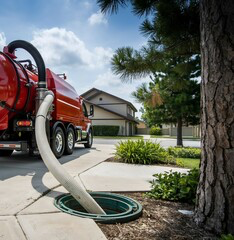
Septic tank services include the professional maintenance and repair tasks needed to keep a septic system working safely and efficiently. These services often involve pumping accumulated sludge and scum from the tank, inspecting visible components, checking system performance, and addressing damaged parts when necessary. Some appointments may also include cleaning filters or evaluating signs of drain field problems. The exact services required depend on the age, design, and condition of the septic system. Regular care helps extend the life of the entire wastewater system.
A septic tank is only one part of a larger system that includes inlet and outlet pipes, baffles, filters, and the drain field. Because these components work together, problems in one area can affect the performance of the others. Professional septic services are designed to evaluate the system as a whole rather than focusing only on the tank. This broader approach makes it easier to identify developing concerns before they lead to complete failure. Preventive maintenance is usually more manageable than emergency repair.
Why Is Septic Tank Pumping Important?
Septic tank pumping removes the solid waste that gradually accumulates inside the tank. As wastewater enters the system, heavier materials settle to the bottom as sludge while oils and grease float to the top as scum. The liquid between these layers flows toward the drain field for further treatment. Because not all solids break down naturally, the sludge layer continues growing over time. Pumping prevents excessive buildup from reducing the tank’s working capacity.
If pumping is delayed for too long, solids may begin moving toward the outlet and eventually reach the drain field. This can interfere with the soil’s ability to absorb and treat wastewater properly. Once the drain field becomes clogged or overloaded, repairs can be much more expensive and disruptive than routine pumping. Keeping the tank on an appropriate maintenance schedule helps reduce this risk. Regular pumping remains one of the most important septic tank services for long-term system health.
What Happens During a Septic Tank Inspection?
A septic tank inspection usually begins with locating and opening the access point so the condition of the tank can be evaluated. The technician may observe wastewater levels, measure sludge and scum accumulation, and inspect accessible components such as baffles or filters. Unusual liquid levels can sometimes indicate a drainage or system problem beyond ordinary maintenance needs. The tank itself may also be checked for visible cracks, corrosion, or deterioration. Inspection provides valuable information before repairs become necessary.
The surrounding property may also be evaluated for signs of septic trouble. Wet soil, sewage odors, unusually green grass, or standing water near the drain field may suggest that wastewater is not being processed correctly. Inside the home, slow drains and recurring plumbing backups may also provide clues about system performance. These observations help determine whether the issue involves routine tank maintenance or a more serious component failure. A complete inspection supports better repair decisions.
What Types of Septic Tank Repairs May Be Needed?
Septic tanks and their connected components can develop problems as they age. Damaged baffles, cracked lids, deteriorated access risers, broken filters, leaking pipes, and structural tank damage may all require professional repair. Some problems are discovered during routine pumping before they create noticeable symptoms inside the home. Addressing them early can help prevent additional stress on the system. Small repairs are usually easier to manage than major failures.
Drainage problems may also originate outside the tank itself. Damaged sewer pipes, root intrusion, crushed lines, or drain field problems can affect wastewater flow even when the tank has recently been pumped. In these situations, simply emptying the tank may not solve the underlying issue. Additional inspection is necessary to identify the actual source of the problem. Professional repair should focus on restoring the complete septic system rather than treating only one symptom.
How Often Are Septic Tank Services Needed?
The ideal maintenance schedule varies from one property to another. Household size, tank capacity, water usage, waste habits, and system age all influence how quickly solids accumulate and how frequently the tank should be serviced. Many residential systems are evaluated and pumped on a multi-year schedule, but some homes require more frequent attention. Large households often generate more wastewater and solid waste than smaller households. Regular inspection helps determine the most appropriate service interval.
Homeowners should not wait for obvious signs of failure before scheduling maintenance. By the time wastewater backs up into plumbing fixtures or the drain field begins showing visible problems, the system may already be under significant stress. Keeping records of previous pumping dates and inspection findings makes future maintenance easier to plan. Preventive service allows problems to be addressed before they become emergencies. Consistency is one of the best ways to protect septic system performance.
What Are the Signs You Need Septic Tank Service?
Slow drains throughout multiple areas of the home can indicate that the septic system needs attention. Gurgling toilets, recurring backups, sewage odors, and poor drainage may also point to a full tank or another system problem. These symptoms should not be ignored because wastewater issues rarely improve on their own. Several plumbing fixtures being affected at once is especially concerning. Professional evaluation helps determine whether pumping or repair is needed.
Outdoor warning signs may include standing water, soft ground, or unusually green vegetation above the drain field. Strong sewage odors around the tank or yard can also indicate that the system is not operating normally. In more serious cases, wastewater may begin surfacing on the property. These conditions require prompt attention because they may involve sanitation concerns and potential drain field failure. Early service can reduce the likelihood of more extensive damage.
How Can Homeowners Help Maintain a Septic System?
Good household habits can reduce unnecessary stress on a septic system between professional service visits. Toilets should only receive human waste and appropriate toilet paper rather than wipes, paper towels, hygiene products, or other non-biodegradable materials. Cooking oils and grease should also be kept out of household drains. These materials increase solid buildup and may contribute to blockages. Responsible waste disposal supports more efficient septic treatment.
Water conservation is equally important. Repairing leaking fixtures, spacing out laundry loads, and avoiding excessive water use in short periods can help prevent the system from becoming overloaded. Homeowners should also protect the drain field from heavy vehicles, construction, and other activities that may compact the soil or damage underground components. Keeping accurate maintenance records is another simple but valuable habit. Everyday care complements professional septic tank services.
Why Are Professional Septic Tank Services Worth It?
Professional septic tank services help homeowners identify problems that may not be visible from the surface. Technicians have the equipment and experience needed to pump waste safely, inspect system components, and recognize signs of developing failure. Regular service can help prevent backups, protect the drain field, and reduce the risk of emergency repairs. It also provides homeowners with a clearer understanding of the system’s condition. Preventive maintenance offers both practical and financial value.
A well-maintained septic system can provide reliable wastewater treatment for many years. Neglect, on the other hand, can lead to damaged tanks, clogged drain fields, sewage backups, and expensive restoration work. Routine professional attention helps preserve the investment already made in the system. It can also reduce disruption to the home by allowing repairs to be planned rather than performed during an emergency. Consistent service supports long-term reliability.
Final Thoughts
Septic tank services include pumping, inspections, cleaning, maintenance, and repairs that help keep a septic system working properly. Because the tank and drain field operate underground, regular professional service is essential for identifying problems before they become obvious. Pumping removes accumulated solids, inspections reveal developing concerns, and timely repairs help protect the entire wastewater system. Homeowners can also support septic performance by using water responsibly and keeping inappropriate materials out of household drains. With routine maintenance and prompt attention to warning signs, septic tank services can help prevent costly failures and extend the life of the system.