Rubbish removal and demolition continue to evolve in surprising and transformative ways. What once seemed like straightforward labor now incorporates advanced methods, new perspectives, and refined practices. The goal is no longer just clearing and tearing down but also shaping spaces with long-term impact. The modern approach is about efficiency, responsibility, and creativity.
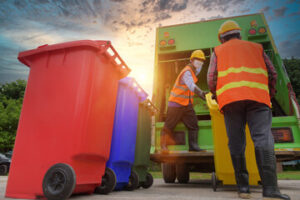
One significant shift lies in how demolition sites are treated as opportunities rather than wastelands. Instead of piling up debris and carting it away, there is a focus on identifying materials that can be salvaged. Steel beams, wooden panels, and even concrete can be repurposed for new builds. This careful separation reduces waste and encourages a cycle of resource renewal.
Rubbish removal has also gained a broader purpose beyond simple disposal. Many operators now view waste as potential value hidden in unwanted items. Materials are sorted, filtered, and sent for secondary use in other industries. This practice turns rubbish into a resource pipeline rather than a burden.
Technology plays a critical role in shaping both demolition and waste handling. Remote-operated machinery allows for precision in dismantling without risking worker safety. Drones are used to survey large areas and create accurate plans before the first wall comes down. Even artificial intelligence is being explored to predict waste categories and streamline sorting.
Another emerging trend is the emphasis on minimizing noise and dust during demolition. Communities near project sites are increasingly vocal about the disruptions caused by heavy machinery. To address this, companies adopt quieter tools, dust suppression systems, and controlled dismantling methods. This makes the process more respectful to surrounding environments.
Sustainability has become the heart of rubbish management in contemporary demolition. Instead of relying solely on landfills, waste is carefully redirected toward recycling hubs and energy generation facilities. Some demolished materials are even transformed into new construction inputs. This approach reduces the need for raw extraction while cutting down environmental damage.
There is also a cultural shift in how spaces are demolished and cleared. Rather than treating old structures as obstacles, many projects aim to preserve elements of architectural history. Certain sections are dismantled carefully to retain valuable features for future use. This hybrid approach merges removal with preservation, giving new life to the old.
Safety standards in demolition are also undergoing upgrades. Beyond hard hats and barriers, there is a growing reliance on digital monitoring. Sensors track vibrations, air quality, and structural stability in real time. These systems warn crews about potential dangers and reduce accidents.
Rubbish removal in residential areas has become more personalized and sensitive. Households now receive tailored options that address not just bulk removal but also proper disposal of hazardous items. Items like electronics and chemicals are separated early to avoid environmental harm. This ensures communities remain safe even during small-scale clear-outs.
On the commercial side, demolition is increasingly tied to urban renewal. When outdated facilities are removed, the cleared land often becomes the foundation for greener projects. Parks, communal centers, and energy-efficient buildings replace old structures. This connection between demolition and rebirth gives rubbish removal a purpose beyond disposal.
A rising consideration is the impact of demolition dust on public health. Research has shown that prolonged exposure to fine particles can cause respiratory issues. In response, water misting systems and specialized filters are applied during demolition. These techniques reduce airborne threats and make projects healthier for all.
Rubbish removal also intersects with the rise of digital marketplaces. Materials once considered junk are now listed online for buyers seeking affordable resources. Wood, bricks, and fixtures can find second lives in smaller construction or artistic projects. This shift from waste to commodity is reshaping how demolition debris is perceived.
Even the timing of rubbish removal is being reconsidered. Instead of hauling waste immediately, some projects stagger the process to reduce traffic impact. Night-time operations in certain cases keep roads clear during peak hours. This scheduling innovation makes demolition more harmonious with daily life.
Environmental monitoring is another layer added to modern demolition. Soil, water, and air samples are analyzed before and after removal activities. This ensures that contamination risks are addressed promptly. It also builds trust with communities concerned about ecological impacts.
There is also growing interest in modular demolition, where structures are carefully taken apart like puzzles. Instead of smashing walls, materials are separated in reverse order of assembly. This method requires time but provides cleaner materials for reuse. It is especially popular in projects aiming for maximum recycling output.
New tools are also redefining rubbish removal speed and efficiency. Hydraulic crushers, high-reach excavators, and compact loaders are engineered to handle different scales of work. These machines are designed for precision to avoid unnecessary waste. Their integration reduces both costs and energy consumption.
Another unseen aspect is the role of education in rubbish and demolition practices. Workers are trained not just in physical tasks but also in identifying reusable resources. Awareness programs also inform communities about the importance of proper waste handling. This shift emphasizes collective responsibility.
Digital platforms also improve communication during demolition. Stakeholders, residents, and project managers receive real-time updates on progress. Concerns about noise, waste, or timelines can be addressed quickly through transparent reporting. This builds cooperation between workers and the public.
Even the psychology of rubbish removal is changing. Clearing out spaces is increasingly associated with renewal and fresh beginnings. Families feel lighter after decluttering, while businesses gain motivation from fresh workspaces. The act of removal is becoming symbolic as much as practical.
Demolition is also aligned with creative reconstruction. Artists and architects use salvaged materials to create installations or community projects. What once seemed worthless becomes a piece of cultural expression. This blending of demolition and creativity enriches urban landscapes.
Another rising concept is energy recovery from demolition debris. Certain waste streams are diverted into energy plants where they generate power. This not only disposes of materials efficiently but also contributes to local energy supplies. It highlights how rubbish can fuel sustainability.
Robotics are steadily entering the demolition arena. Machines programmed to dismantle specific components now handle tasks with accuracy. They reduce the risk for human workers while speeding up the process. This robotic assistance is set to expand in the future.
In rural areas, rubbish removal practices are also adapting. Instead of large-scale landfills, small-scale composting and recycling centers are set up. Localized handling reduces transport costs and strengthens community ties. This decentralized approach reflects adaptability to different environments.
Financial models of demolition are shifting toward performance-based outcomes. Clients pay not just for the removal but also for recycling percentages and environmental compliance. This accountability ensures that projects are not only completed but also beneficial for society. Transparency becomes a standard expectation.
The intersection of demolition and climate responsibility is now unavoidable. With rising global awareness, every demolished site is evaluated for its carbon footprint. Efforts are made to offset emissions through tree planting or renewable energy investments. This makes rubbish removal part of climate action.
Community involvement has become more important in demolition projects. Residents are often invited to consultations before major clear-outs. Their input influences the process to align with local needs. This inclusion reduces resistance and creates shared ownership.
Another modern element is adaptive demolition, where not everything is removed. Structures are partially dismantled, allowing new elements to blend with the old. This saves resources while maintaining a unique character for buildings. It highlights the value of balance between past and future.
Digital simulations are now used before demolition begins. Engineers visualize how structures will collapse and how waste will flow. These predictions prevent errors and allow precise planning. This use of virtual tools makes demolition smarter.
Finally, the perception of rubbish and demolition is undergoing a quiet transformation. What was once a destructive process is now tied to renewal, sustainability, and progress. Spaces are cleared not to erase but to prepare for fresh opportunities. This evolution reflects how demolition and rubbish removal are no longer the end of something but the start of something better.