A spotless property makes a good first impression on guests and boosts your home’s value. It also prevents the build-up of harmful contaminants such as mold and mildew.
Power washing uses pressurized water to clean grime and stains from surfaces like driveways, walkways, decks and siding. This guide explores everything you need to know about professional power washing services. Visit https://www.certifiedsoftwash.ca/ for more details.
1. Power Washing Techniques
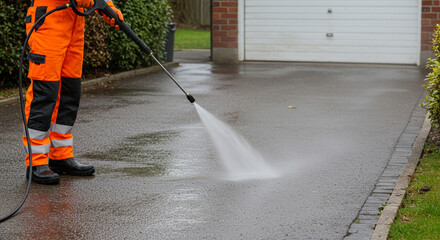
Power washing is a high-powered water cleaning method that eliminates dirt, mold, mildew, oil stains and other contaminants from various surfaces. It’s an effective alternative to scrubbing and offers faster, more thorough results in less time. Professionals use pressure washers with varying degrees of power and nozzles for optimal cleaning results. They test the surface to determine the right pressure and nozzle for each area. Then, they apply the appropriate detergents and/or cleaning solutions to enhance the results. They also take care to protect delicate areas, such as plants and electrical outlets, and use a proper distance when spraying.
Benefits of Power Washing
Regular power washing prevents the buildup of harmful substances and extends the lifespan of surfaces. It also makes surfaces more attractive and helps you to avoid expensive repairs and replacements. It’s especially important to power wash your home’s exterior surfaces when you first move in, as dirt and grime can hide cracks, mold growth, rot and other problems. It’s also a good idea to schedule regular cleanings to keep your property looking its best and prevent long-term damage.
Professional power washing is a safe and effective way to clean a variety of residential and commercial properties. It’s used to remove unsightly stains and debris, such as gum, oil stains, and graffiti, from concrete, brick, asphalt, wood, and metal. It’s also used to refresh and restore outdoor furniture, awnings, decks, and driveways, boosting curb appeal and enhancing your property value.
It’s important to hire professionals for power washing services because the process can be dangerous if not performed correctly. The high-pressure water can cause damage to certain materials if used incorrectly, and it’s difficult to reach high or obstructed areas without the right equipment.
Experienced cleaners like Cleanstart have the knowledge and expertise to safely and effectively complete power washing projects for homes, businesses, industrial facilities, and more. They know how to handle the different cleaning requirements of each surface, including soft washing for delicate surfaces and pressure washing for removing stubborn stains. They’ll identify the ideal time and weather conditions for each project, as well as remove or cover any items that shouldn’t get wet. They’ll also inspect the property and determine the best cleaning method for each area.
2. Equipment
Power washing uses a high-pressure water system to blast away dirt, mold, mildew and other substances that build up on your home’s surfaces. The hot water also helps to break down stubborn stains like oil, gum or graffiti. Professional equipment is used by trained cleaning experts to ensure the job is done safely and effectively.
Keeping up with regular power washing prevents harmful substances from building up on your home’s exterior surface, like siding or concrete floors. It also helps extend the life of your paint and other finishes by preventing peeling or chipping. A clean, well-maintained exterior will also increase your property value by showing potential buyers that you take care of your home.
Airborne allergens like mold spores, pollen and dust mites can contribute to respiratory problems for homeowners. Regularly adding power washing to your cleaning schedule will help reduce your family’s allergies and keep everyone in the house healthier.
Power washers can also be used to remove slippery, mucus-like algae that grow on the sidewalks and driveways around your home. It’s important to have this taken care of to avoid a dangerous slip and fall. Power washing can kill the algae and prevent it from coming back.
If you have a pool, it’s important to regularly wash the surfaces that are in contact with it. This will help to prevent the accumulation of dirt, debris and other substances that can damage or clog your pool pump. Professional power washing can remove these substances safely and quickly so you can enjoy your pool without worrying about health or safety issues.
When choosing a professional power washing service, make sure they are licensed and insured. You should also ask for references from previous clients and check online reviews. It’s also a good idea to prepare your home before the power washing service begins by moving any outdoor furniture or decorations to a safe location, covering fragile plants or electrical outlets with plastic sheeting and making sure that all doors and windows are closed. A professional power washing company will know how to handle any safety concerns before, during and after the process.
3. Detergents
Professionals have a wide variety of detergents they use in conjunction with power or soft wash equipment. Detergents are formulated to connect water to surfaces that it cannot reach alone. This helps to eliminate a frustrating filmy residue and makes the cleaning job much easier.
The chemicals used by the pros are often specialized and designed for specific purposes like wood, concrete, or commercial transportation fleets. They may be biodegradable or non-toxic to avoid harming surrounding vegetation, people, and pets. They also contain ingredients that reduce odors and keep the washing job safe for the operator. They know how the chemicals will react with each surface they clean, so they can take steps to minimize the potential for damage.
Casual pressure washer users generally buy soaps or detergents in 1-gallon jugs or 5-gallon buckets. These have a higher concentration and require more dilution than concentrated 55-gallon barrels that professionals buy. Professionals mix and dilute the cleaners as needed, which is more cost-effective.
Dirty surfaces can cause serious problems for homeowners and businesses. Stains and grime from oil spills, mold growth, pollen, and environmental debris can hide cracks in siding or other structural components and lead to further problems. A thorough clean is the best way to identify these issues and make timely repairs.
Even a well-maintained property can become dirty with regular use. Storefronts, sidewalks, fences, and windows all collect a buildup of grime. Even graffiti can be removed safely and quickly to give a property a fresh new look.
Mike’s Power Washing uses only green products that are environmentally-friendly and bio-degradable. They are highly-trained and experienced, so they can handle any type of cleaning project. They understand how each surface needs to be treated and will adjust the level of pressure accordingly to ensure a proper clean without damage. Mike and his team are proud of their work, so they always give the customer a great experience and leave the property looking brand new. Call today to schedule a one-time service or to talk about a scheduled maintenance plan for your property.
4. Safety
Power washing is a safe cleaning method that removes harmful contaminants from outdoor surfaces, but it can be dangerous if not handled properly. It is vital to wear appropriate safety gear to protect yourself, including protective goggles, gloves and non-slip shoes. Gloves protect your hands from the intense force of the water and cleaning chemicals, while goggles shield your eyes from errant water spray or debris. In addition, a hose with different attachments allows you to control the pressure to avoid damaging delicate or fragile surfaces.
Prevents Damage
Dirt, mold, mildew and algae damage pavers, siding, concrete and other outdoor surfaces. Regular cleaning prevents these materials from being permanently damaged by promoting a long lifespan and enhanced appearance. In addition, a thorough cleaning prepares surfaces for new paint or sealants, providing better adhesion and a professional finish.
Professional cleaners use the best equipment and follow industry guidelines to ensure a clean and healthy exterior for your home or commercial property. A skilled technician also understands how to avoid causing harm or damage, including avoiding the risky practice of directing the high-pressure water jet at vulnerable areas. For example, pointing a washer at windows, door frames and electrical outlets can lead to shattered glass, water infiltration or electrical hazards.
A professional power wash also avoids using a washer on gutters, as this can cause the anchors that secure these important components to break or loosen, resulting in costly replacements. In addition, it is always advisable to use soft washing techniques on delicate or painted surfaces rather than high-pressure washing, which can damage these materials.
While renting or buying a power washing unit is an affordable option, hiring a professional service is the most cost-effective solution for your property. These services save you the time, expense and effort of handling the machine and ensure that all surfaces are cleaned thoroughly. In addition, they have the proper knowledge and experience to handle any unforeseen issues that may arise during the cleaning process. They can even provide maintenance recommendations after the wash for improved results and longer-lasting durability.